Munky Display: A Sweet Handwritten Font for Brand Identity
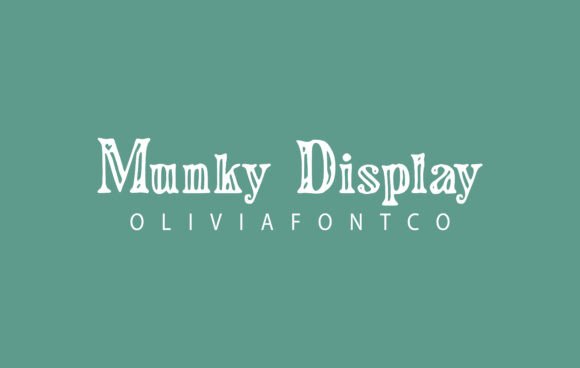
I opened a blank InDesign document this morning, staring at a white canvas that felt heavier than usual. The client wanted a brand identity for a new artisanal honey company—something warm, approachable, and distinctly human. No corporate stiffness, no sterile minimalism. Just pure, unfiltered sweetness. I dragged Munky Display onto the artboard, and instantly, the mood shifted. This isn’t just another script font; it is a sweet and friendly handwritten font that brings an immediate sense of personality to any layout. As I began scaling it up for a potential logo mark, I realized how perfectly its natural and unique style makes it incredibly fitting to a large pool of designs, particularly those aiming for a crafty, boutique aesthetic.
Munky Display for Boutique Packaging and Product Labels
When you are designing packaging for handmade goods, the typeface needs to do more than just spell out the product name; it needs to whisper quality and care. I tested Munky Display on a mockup label for a small-batch skincare line, imagining it printed on textured kraft paper with a minimalist wax seal nearby. The result was striking. Because it is categorized under Script Handwritten fonts, it carries the organic imperfections of real penmanship without sacrificing legibility. The strokes have a gentle bounce to them, which softens the overall visual hierarchy and invites the consumer to touch the package. Unlike rigid serif fonts or cold sans serif fonts, Munky Display feels tactile. It suggests that someone actually made this product with their own hands, which is a crucial emotional hook for modern consumers who value authenticity over mass production.
The versatility of this typeface allows it to sit comfortably alongside simpler geometric shapes. I paired the main headline in Munky Display with a clean, thin sans serif font for the ingredient list and usage instructions. This contrast created a balanced design system where the handwritten element provided the "heart" of the brand, while the supporting typography provided the necessary structure. For online shop owners and handmade sellers, using a creative font like Munky Display on your primary product labels can significantly increase click-through rates on platforms like Etsy or Shopify, as it stands out visually against the grid of generic e-commerce listings.
Munky Display in Social Media Graphics and Digital Marketing
Social media feeds are crowded, and scrolling past a post requires breaking the visual pattern within milliseconds. I applied Munky Display to a series of Instagram story templates for a local café’s weekend special announcements. The font’s friendly nature works exceptionally well for short phrases, quotes, and call-to-action buttons. When placed over a photo of a latte art or a croissant, the handwritten style bridges the gap between the image and the viewer, creating a sense of intimacy. It feels less like an advertisement and more like a note from a friend.
However, effective use of Munky Display in digital marketing requires restraint. While its natural and unique style makes it incredibly fitting to a large pool of designs, it is not suitable for long blocks of body text. On mobile screens, readability is paramount. I found that using Munky Display as a display font for headlines kept the engagement high, but switching to a highly readable sans serif font for captions ensured that users could actually digest the information. This strategic pairing maintains professionalism while leveraging the charm of the handwritten aesthetic. Content creators and marketers should view Munky Display as a powerful accent tool—a way to inject warmth into otherwise sterile digital assets without overwhelming the user interface.
Munky Display for Wedding Invitations and Personal Branding
One of the most compelling use cases I explored involved a wedding invitation suite. The couple wanted something elegant yet playful, avoiding the overly ornate and difficult-to-read scripts that plague many traditional invitations. Munky Display offered the perfect middle ground. Its strokes are fluid and flowing, mimicking the elegance of formal calligraphy but with a relaxed, modern twist. I used it for the names of the couple and the date, creating a focal point that felt both celebratory and sincere. The font’s inherent sweetness aligns beautifully with the emotional tone of weddings, anniversaries, and personal branding projects.
For freelancers and creative studios building a personal brand, adopting a handwritten font like Munky Display can help differentiate your visual identity in a saturated market. It signals creativity, approachability, and attention to detail. Whether you are designing a business card for a freelance illustrator or a portfolio website header for a UX designer, having a distinctive typeface in your toolkit is essential. Munky Display serves as a versatile asset that can elevate simple layouts into memorable experiences. Its ability to convey emotion through form makes it an invaluable choice for designers looking to add a human touch to their work.
Practical Considerations and Font Pairing Strategies
While Munky Display is a delightful addition to any design project, understanding its limitations is key to using it effectively. It is best utilized as a headline font, logo font, or decorative font rather than a supporting typeface for dense text. The irregular baseline and varying stroke weights, which give it character, can hinder readability if scaled down too small or used in paragraphs. Designers should always test the font at various sizes before finalizing client work. A quick print-out test or a zoomed-in review on a retina display can reveal whether the details hold up or if they become muddy.
Font pairing is critical when working with such a strong personality-driven typeface. Munky Display pairs beautifully with classic serif fonts for editorial design projects, adding a touch of whimsy to literary or artistic themes. For more contemporary brands, it contrasts sharply with modern typography systems built around geometric sans serif fonts, creating a dynamic tension between old-world charm and new-world efficiency. Before incorporating Munky Display into commercial projects, ensure you review the included styles and check for any available alternates or ligatures that might enhance specific word combinations. Furthermore, always verify the commercial font licensing terms. Using this typeface in client work, brand identity systems, packaging, merchandise, or print-on-demand products requires appropriate rights to avoid legal complications. By respecting these guidelines, you can harness the full potential of Munky Display to create designs that are not only visually appealing but also commercially viable and legally sound.